
Why Is Coughing Disease (CRD) the Biggest Threat to Chicken Farms in Early 2026?

The wheezing sounds heard from inside the coop are often considered a minor disturbance that will go away on its own, especially if they’re only coming from a few chickens. However, for experienced farmers, this sound is actually a serious warning sign, as Chronic Respiratory Disease—better known as wheezing disease—has become one of the most frequently reported diseases in both broiler and layer chicken farms in Indonesia since early 2026.

What makes CRD so concerning for farmers is not only its high incidence rate but also the fact that its characteristics are closely linked to day-to-day coop management. Unlike diseases caused purely by external factors that are difficult to control, CRD is heavily influenced by conditions that are actually within the farmer’s control: house ventilation, stocking density, and weather fluctuations that affect indoor air quality.
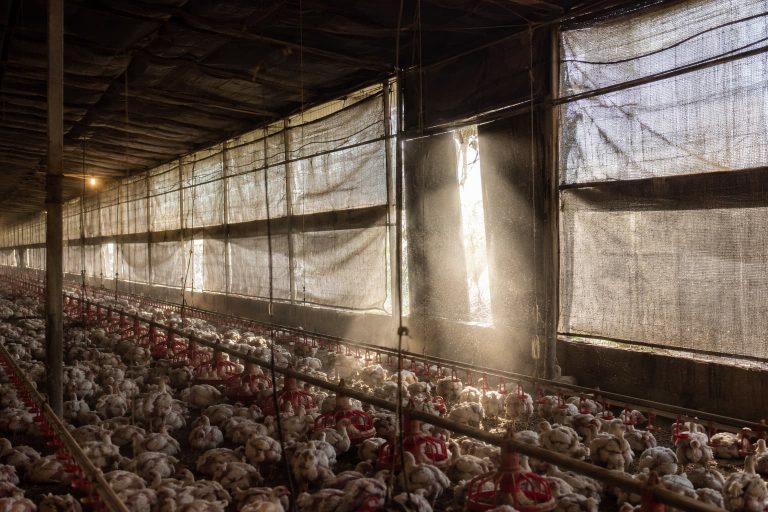
This article provides an in-depth discussion of why CRD has become such a significant threat to Indonesia’s poultry industry today, the symptoms and mechanisms of the disease, the triggering factors that farmers need to understand, and prevention strategies that can be implemented to sustainably reduce the risk.
Understanding CRD and Why This Disease Dominates the 2026 Case Reports

Chronic Respiratory Disease (CRD) is a respiratory disease in poultry generally caused by the bacterium Mycoplasma gallisepticum; it often occurs in the form of a mixed infection (complex CRD) alongside other pathogens such as Escherichia coli, which exacerbates the severity and complexity of its management. Based on an analysis of poultry disease trends conducted by the technical team of one of Indonesia’s leading animal pharmaceutical companies, bacterial diseases characterized by respiratory disorders—such as CRD, complex CRD, colibacillosis, coryza, and fowl cholera—consistently rank among the top five diseases affecting both broilers and layers.

The most characteristic clinical symptom of CRD—and the origin of its nickname “snoring disease”—is a snoring sound or abnormal breathing noise heard from the respiratory tract of infected chickens. In addition, chickens infected with CRD generally exhibit symptoms such as sneezing and coughing, a decreased appetite, and stunted growth compared to healthy chickens of the same age; in layer chickens, these symptoms are often accompanied by a significant drop in egg production.

What makes CRD a consistently relevant threat—not just during a specific period—is that its characteristics are heavily influenced by management factors that recur with each cycle: changes in weather, ventilation quality, and housing density. As long as these factors are not managed optimally, the risk of CRD outbreaks will remain high regardless of advances in available treatment technologies.

The Mechanism Behind CRD: Why Environmental Factors Are So Dominant
To understand why CRD is so difficult to control without improvements in environmental management, it is important to understand the mechanisms behind its emergence. Mycoplasma gallisepticum, the primary bacterium responsible for CRD, is actually quite common in poultry populations in the form of latent or subclinical infections that do not always cause severe symptoms. The disease often only becomes clinically apparent when the chickens’ respiratory defense system is compromised by other triggering factors.
High ammonia levels in the house are one of the most significant triggers. As discussed in the context of house air quality, high ammonia levels can irritate and damage the cilia in the chickens’ respiratory tract—delicate structures that serve as a natural defense mechanism against pathogens. When these cilia are damaged due to prolonged exposure to ammonia, bacteria such as Mycoplasma gallisepticum, which were previously in a latent state, become more capable of actively infecting the birds and causing overt clinical symptoms of CRD.
Temperature fluctuations and extreme weather also contribute significantly. Sudden weather changes, particularly the transition between the dry and rainy seasons, create physiological stress in chickens that weakens the immune system overall, including respiratory defenses. The combination of stress from temperature fluctuations and poor air quality creates ideal conditions for CRD to develop into a full-blown clinical infection.
High housing density exacerbates all of these mechanisms simultaneously. The denser the chicken population, the higher the ammonia production per square meter of housing, the more intense the contact between chickens—which facilitates the spread of bacteria—and the more limited the space for the circulation of fresh air needed to maintain optimal air quality.
The Impact of CRD on Productivity: More Than Just a Respiratory Disorder
The impact of CRD on flock performance is far broader than just visible respiratory symptoms. In broiler chickens, poorly managed CRD infections lead to reduced feed intake due to chronic discomfort in the respiratory tract, which ultimately results in slowed growth and worsened FCR, following a mechanism similar to the effects of high ammonia levels discussed earlier.
In layer chickens, the effects of CRD can be more pronounced in terms of reduced egg production, both in quantity and quality. Physiological stress resulting from chronic respiratory infection disrupts the normal reproductive cycle of layer chickens, leading to a decrease in the number of eggs produced and, at times, also affecting the quality of the eggshells produced during the infection period.
It is also important to note that CRD is characterized as a chronic disease—as its name implies—meaning this infection can persist for a relatively long period if not properly managed, unlike acute diseases that typically have an intense but shorter-duration impact. This prolonged duration of infection means that the cumulative impact on growth performance or egg production also lasts longer, resulting in more significant economic losses compared to diseases with shorter infection durations.
Why Weather Changes Are a Consistent Trigger Throughout the Year
One characteristic that makes CRD difficult to completely avoid is its association with weather fluctuations, which are an integral part of Indonesia’s climate. The transition between the dry and rainy seasons, which occurs routinely every year, always brings significant fluctuations in temperature and humidity over a relatively short period of time.
During these transitional periods, chickens experience adaptive stress due to rapid changes in environmental conditions—a situation that generally weakens the immune system. If, during the same period, the quality of the coop air is not optimally maintained—for example, due to delayed ventilation adjustments in response to weather changes—the risk of clinical CRD significantly increases.
This is why farmers who rely solely on manual checks often truggle to anticipate these high-risk periods in a timely manner. Weather changes that occur within a matter of days require an equally rapid response in terms of ventilation adjustments and house management—a response speed that is difficult to achieve without a monitoring system that provides real-time and continuous data on house conditions.
CRD Prevention Strategies Focused on Controlling Risk Factors
Given that CRD is heavily influenced by air quality, temperature fluctuations, and housing density, an effective prevention strategy must focus on the integrated control of these three risk factors, rather than simply relying on antibiotic treatment whenever symptoms appear.
Controlling ammonia levels is a top priority given its significant role in compromising the chickens’ natural respiratory defenses. Consistent ventilation and proper litter management to prevent excessive ammonia buildup are fundamental measures that must be maintained throughout the entire cycle, not just during specific periods.
Stable temperature management, especially during weather transitions, helps reduce physiological stress in chickens that weakens the immune system. Responsive adjustments to ventilation and heating in response to changes in external weather are key to maintaining stable house conditions even as outdoor conditions fluctuate.
Adjusting housing density according to standards helps reduce the dual burden created by overcrowding: lower ammonia production per square meter and more controlled contact between chickens, both of which contribute to a reduced risk of CRD spread within the flock.
The Role of IoT-Based House Monitoring in Preventing CRD
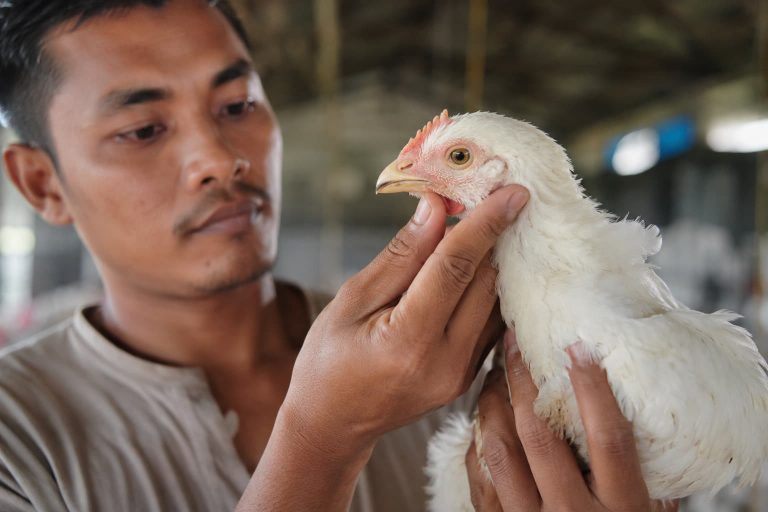
IoT-based monitoring systems play a critical role in modern CRD prevention strategies due to their ability to simultaneously monitor the three primary risk factors—ammonia levels, temperature fluctuations, and conditions influenced by housing density—in real time and continuously, a capability that far exceeds the capacity of manual checks.
Ammonia sensors permanently installed in the barn provide continuous visibility into air quality, allowing farmers to detect and respond to ammonia spikes before they reach levels severe enough to damage the cilia in the chickens’ respiratory tracts. Automatic alerts sent as soon as ammonia approaches a risk threshold provide a much faster response window than relying on manual olfactory detection, which, as discussed earlier, tends to be less sensitive due to olfactory adaptation.
Continuously monitored temperature sensors help farmers anticipate periods of high-risk weather fluctuations, enabling more responsive and timely adjustments to ventilation and heating than adjustments based solely on visual estimates. In systems integrated with coop equipment, these adjustments can even be made automatically as soon as sensors detect significant temperature changes, shortening the duration of the chickens’ exposure to stressful conditions that weaken their immune systems.
Historical data collected from the monitoring system also helps farmers identify specific patterns in their barns—for example, which periods of the year consistently show a higher risk of CRD based on correlations with historical temperature and ammonia data—so that proactive prevention strategies can be prepared ahead of these high-risk periods, rather than simply reacting after clinical symptoms have actually appeared in a significant portion of the flock.
Case Study: Reducing CRD Cases Through Integrated Ammonia and Temperature Control
A layer farm with a flock of 8,000 birds in Central Java experienced recurring CRD issues that significantly impacted egg production, with consistent production declines occurring every time the farm entered the transition period from the dry season to the rainy season. The farmer had previously relied on a preventive antibiotic program ahead of these periods, but the results were inconsistent—in some years, production declines remained significant despite the administration of preventive antibiotics.
After installing a temperature and ammonia monitoring system, the farmer discovered that during this seasonal transition period, barn ammonia levels consistently rose significantly, likely due to suboptimal ventilation adjustments in response to rapidly changing weather patterns. Barn temperatures also exhibited greater fluctuations compared to other periods of the year, confirming that this transition period indeed creates a highrisk combination of conditions for CRD.
Based on these findings, the farmer developed a specific protocol for the seasonal transition period, including proactively increasing ventilation capacity before the period began and implementing stricter temperature monitoring with alerts configured to be more sensitive specifically for that period. During the subsequent seasonal transition period after this protocol was implemented, ammonia levels were successfully maintained at a much more stable level, and the decline in egg production that typically occurs annually during that period was significantly reduced compared to previous years. The lessons from this case demonstrate that the integrated monitoring of temperature and ammonia data provides far better predictive capabilities than relying solely on preventive antibiotic programs without the support of accurate environmental data.
FAQ: Questions About Coughing Disease (CRD) in Chickens
Can CRD be completely cured in infected chickens? CRD can be treated with appropriate antibiotics and show improvement in symptoms; however, due to its chronic nature, Mycoplasma gallisepticum infection can remain in the chicken’s body in a latent form even after clinical symptoms have subsided, and can become active again if triggering factors such as high ammonia levels or weather-related stress reoccur.

What is the difference between CRD and complex CRD? Pure CRD is generally caused by a Mycoplasma gallisepticum infection alone, while complex CRD refers to a combined infection of Mycoplasma with other bacterial pathogens such as Escherichia coli, which typically results in more severe symptoms and requires more complex treatment than a single infection.

Why does CRD occur more frequently during weather transition periods? Weather transition periods create physiological stress in chickens due to relatively rapid changes in temperature and humidity, which weaken the immune system overall—including the respiratory tract’s defenses. If house air quality is not optimally maintained during this same period, the risk of clinical CRD increases significantly.

Can vaccination permanently prevent CRD? Vaccination against Mycoplasma gallisepticum can help reduce the severity of infection, but it does not eliminate environmental risk factors such as high ammonia levels and temperature fluctuations, which continue to contribute to the onset of clinical symptoms. A comprehensive approach that combines vaccination with environmental management remains the most effective strategy.

How can CRD be distinguished from other respiratory diseases such as Infectious Bronchitis? The clinical symptoms of various respiratory diseases in chickens often overlap, including wheezing, sneezing, and coughing. An accurate diagnosis requires laboratory testing to identify the specific causative pathogen, as appropriate treatment may vary depending on the type of pathogen involved.

Conclusion: Controlling Risk Factors to Sustainably Mitigate the Threat of CRD

CRD poses the greatest threat to poultry farms in early 2026 not because the disease is uncontrollable, but because its risk factors—air quality, temperature fluctuations, and housing density—are still often not managed optimally and consistently by many farmers. Understanding the close relationship between CRD and housing environmental conditions is key to developing truly effective long-term prevention strategies.

With the ability to monitor ammonia levels and temperature fluctuations in real time and continuously, modern farmers have the opportunity to significantly reduce the risk of CRD long before the disease develops into a clinical infection that harms productivity. BAKU provides a poultry house monitoring system that covers critical parameters related to CRD risk, helping farmers anticipate and respond to risky conditions before they have a significant impact on the health and productivity of their chickens. If you’d like to discuss more tailored CRD prevention strategies for your poultry house, the BAKU team is ready to help provide a more concrete plan based on your operational conditions.

References
  1. ResearchGate. (2021). IoT-Based Air Quality Monitoring and Automated Chicken Feeding System. researchgate.net
  2. ResearchGate. (2024). An IoT-Based Temperature and Humidity Monitoring System for Broiler Chicken Houses to Improve Production. researchgate.net
  3. MALCOM: Indonesian Journal of Machine Learning and Computer Science. (2025). Internet of Things-Based Automation of Temperature and Humidity Control in Broiler Chicken Houses. journal.irpi.or.id
  4. Medion. (2026). Overview of Poultry Disease Analysis 2025 & Disease Projection 2026. medion.co.id
  5. Medion. (2025). Strategies for Minimizing Coccidiosis in Chickens. medion.co.id
Scroll to top
× Whatssapp Us