
Bird Flu Still Looms Over Indonesian Chicken Farms: Understanding the Risks and Building Modern Biosecurity
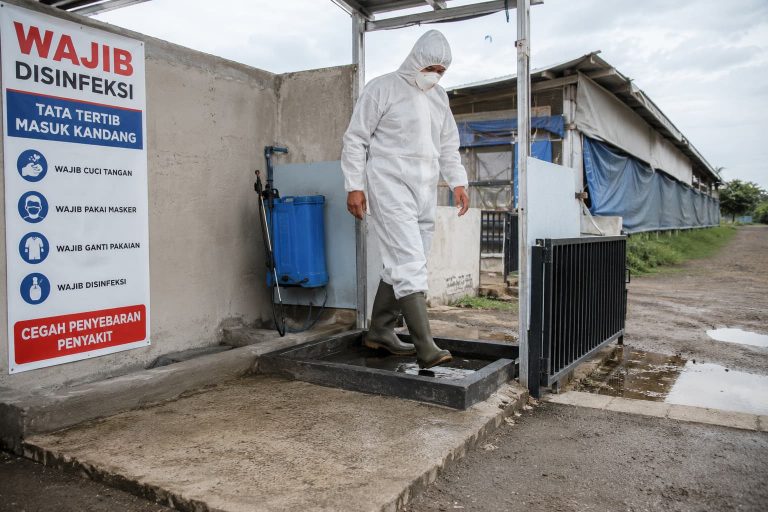
Current Status of Avian Influenza in Indonesia: What Poultry Farmers Need to Know
Recognizing Avian Influenza Symptoms in Poultry to Watch Out For
Why Live Poultry Markets and Interaction with Wild Birds Are Major Risk Factors
Why Biosecurity Remains the Most Fundamental Line of Defense
The Role of IoT-Based Poultry House Monitoring in Supporting Modern Biosecurity

Practical Biosecurity Measures That Farmers Must Consistently Implement
The Importance of Coordination with Animal Health Authorities
FAQ: Questions About Avian Influenza and Poultry Farm Biosecurity
Is avian influenza still a real threat to poultry farms in Indonesia today? Yes. The H5N1 virus remains endemic in Indonesia, and the H9N2 subtype continues to be detected and is spreading across various provinces. Although human cases are relatively rare compared to the size of the poultry population, the risk of an outbreak in poultry remains real, especially on farms with weak biosecurity measures.
Is properly cooked chicken safe to eat even if avian influenza is present in a certain area? Chicken that is properly cooked at an adequate temperature is safe to eat, as the cooking process inactivates the avian influenza virus. The risk of transmission to humans generally occurs through direct contact with infected live poultry or contaminated environments, not through the consumption of properly processed poultry products.
What is the main difference between HPAI and LPAI? HPAI (Highly Pathogenic Avian Influenza), such as H5N1, causes extremely high mortality rates in infected poultry and spreads rapidly. LPAI (Low Pathogenic Avian Influenza), such as most cases of H9N2, generally causes milder symptoms with a much lower mortality rate, but still has the potential to mutate into a more dangerous form if it circulates for a long time.
Is AI vaccination in poultry sufficient without strict biosecurity measures? No. Vaccination helps reduce the severity of infection in vaccinated poultry, but vaccinated birds can still carry the virus without showing signs of illness. Strict biosecurity remains a fundamental line of defense that cannot be fully replaced by vaccination alone.
What should poultry farmers do if they suspect a case of avian influenza in their flock? Farmers should immediately report the suspicion and coordinate with local livestock and animal health authorities to ensure proper handling and investigation. Reporting suspected cases early helps prevent further spread and ensures that response measures comply with applicable animal health protocols.
Conclusion: Proportional Vigilance Through Layered Biosecurity
List of References
- ResearchGate. (2021). IoT-Based Air Quality Monitoring and Chicken Feeding Automation System. researchgate.net
- ResearchGate. (2024). IoT-Based Temperature and Humidity Monitoring System in Broiler Chicken Coops to Increase Production. researchgate.net
- Indonesian Ministry of Health. (2024–2026). Remain Vigilant Against the Risk of Avian Flu Transmission to Humans. kemkes.go.id
- Buleleng Regency General Hospital. (2026). Understanding the Influenza Virus in Indonesia. rsud.bulelengkab.go.id
- Airlangga University. (2025). Avian Influenza in Indonesia. unair.ac.id
- Sudarnika, E., et al. (2026). District-level joint risk assessment of highly pathogenic avian influenza H5N1 at the human–animal–environment interface in live bird markets in Bogor, Indonesia. Veterinary World, 19(1), 210–223.
- World Health Organization (WHO). (2024). Cumulative data on human cases of H5N1 avian influenza.